Trends come and go, but brands must monitor them, follow them, and incorporate them into their events when appropriate to remain relevant to their audiences.
As an event staffing company supporting hundreds of event organizers, venues, and organizations across Dubai, Abu Dhabi, and the UAE, Vibes has seen firsthand how the region’s events industry continues to evolve.
Since our establishment in 2007, we have observed how the way events are designed, delivered, and experienced has gradually transformed. In this article, we explore the trends shaping the UAE events industry this year.
Based on Vibes’ experience supporting events across Dubai, Abu Dhabi and the wider UAE, the following eight trends are shaping the event industry in 2026.
Event industry trends in the UAE are moving away from the traditional concept of “participants as passive recipients of knowledge” to “participants as co-creators and active contributors.”
Current trends in event planning are seeing a shift towards active participation formats. In traditional events, speakers present and participants listen. In active participation formats, speakers fill knowledge and skill gaps while participants actively build ideas and solutions.
For instance, tech hackathons are increasingly popular formats where participants build fully operational apps or tools while collaborating with peers.
Participants bring their own knowledge and skill sets, working in groups to overcome challenges. Near the end of the event, participants present their innovations while speakers and experts provide feedback.
Events traditionally deploy ushers to guide attendees and way finding staff to help guests navigate venues.
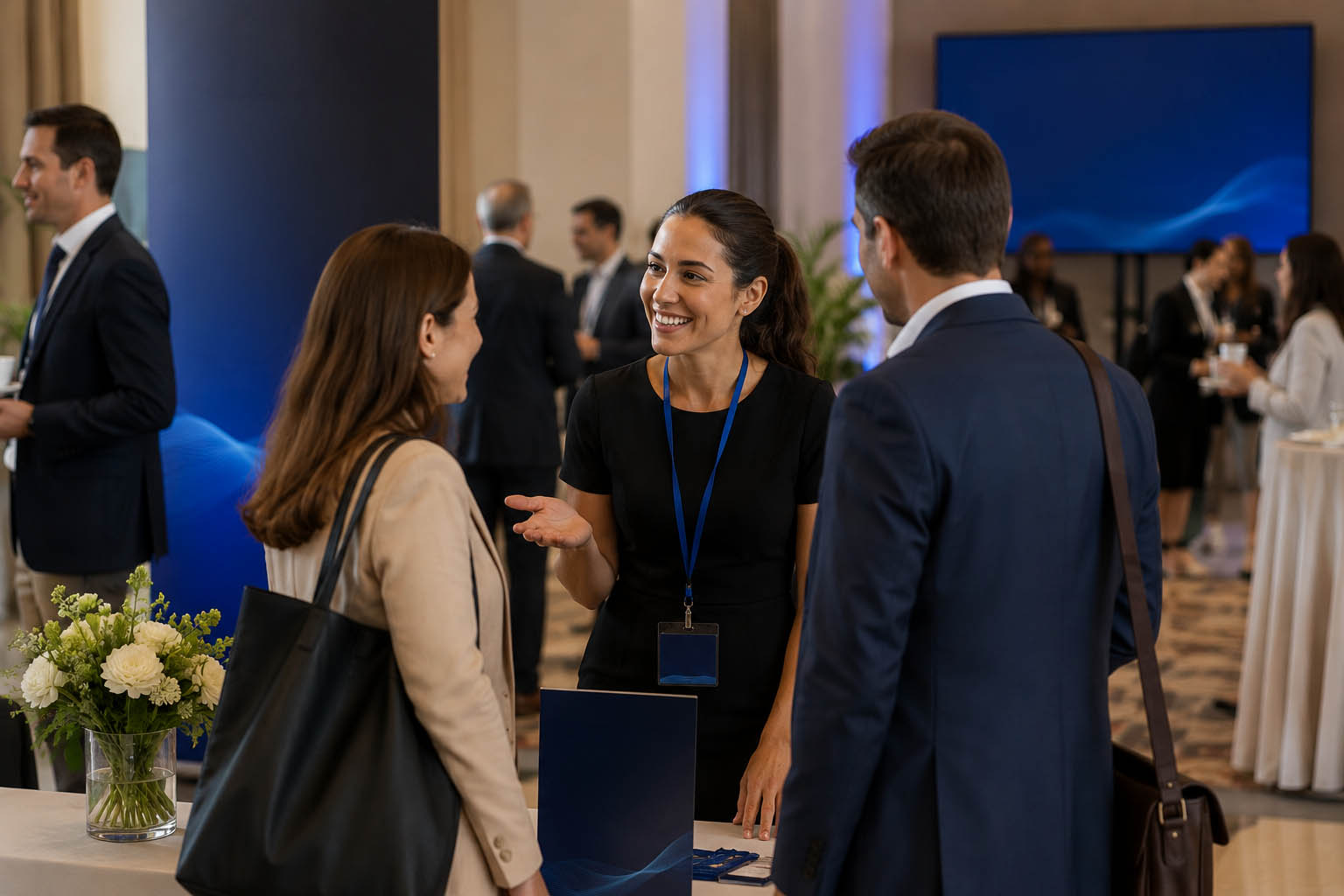
One of the latest trends in the event industry is the introduction of community managers whose role is to facilitate conversations and help participants connect with each other.
Event guest management is part of their duties. Many organizers rely on trained guest and delegate staffing teams to help facilitate these interactions and guide participants across sessions and networking areas.
Current trends in event management are making events more personal, relevant, and tailored to individual needs and preferences.
The latest trends in event management involve digital registrations that provide valuable attendee data.
Using artificial intelligence (AI), organizers can create curated attendee journeys by recommending sessions, networking meetings, and exhibitors based on participants’ interests.
These personalization strategies are increasingly common at large conferences such as the Oracle Cloud World Tour.
VIP hosts have always been a major feature of premium events in the UAE.
For example, at the Formula One Grand Prix in Abu Dhabi, VIP guests expect personalized service from trained hosts and hostesses.
Today, event organizers use CRM data and mobile dashboards to help hosts anticipate guest needs before arrival. Many organizations rely on trained hosts and promoters to deliver consistent VIP guest experiences.
Sustainability has become one of the major event industry trends, particularly in the UAE.
Event organizers increasingly use AI tools to predict the quantities of food, merchandise, and materials required for an event. This helps reduce waste significantly.
Venues are also transitioning toward reusable staging systems and local supply chains to minimize environmental impact.
Additionally, event ticketing staff increasingly rely on digital ticketing and scanning systems instead of paper lists or physical tickets.
Many events now deploy dedicated sustainability champions responsible for monitoring recycling stations, composting programs, and waste management initiatives.
These teams ensure sustainability commitments are implemented effectively throughout the event.
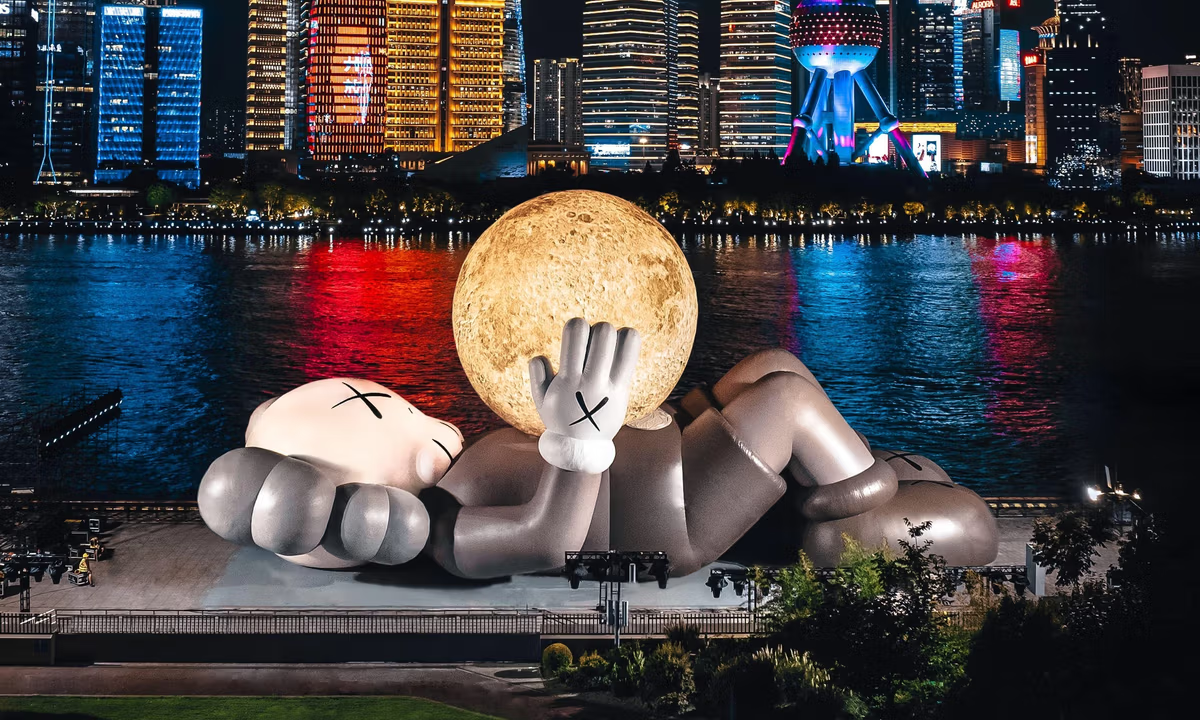
The latest trends in the event industry have transformed events into immersive experiences that engage participants emotionally as well as intellectually.
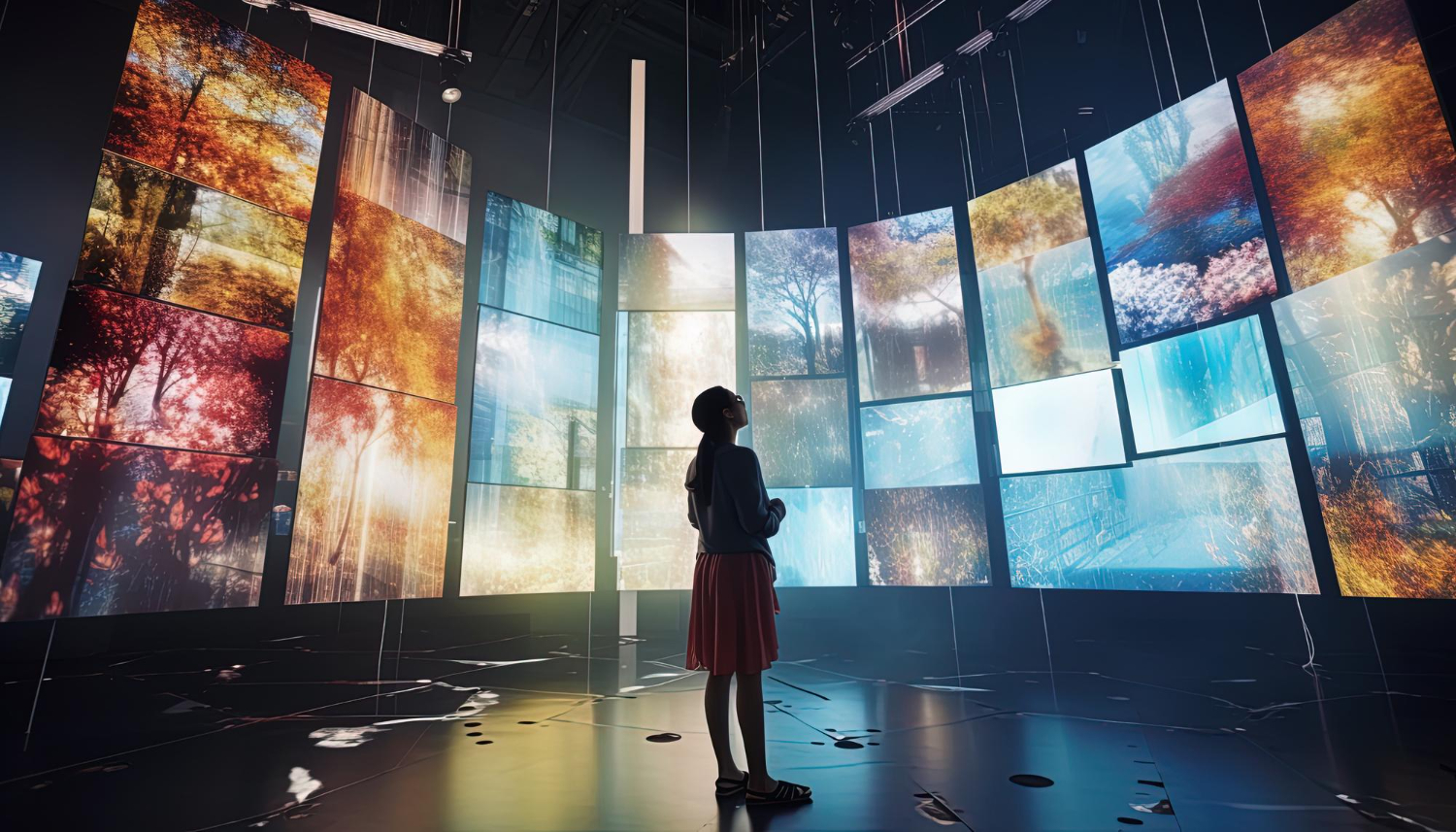
Event organizers are moving beyond static booths toward immersive environments powered by technologies such as VR and AR.
These hybrid environments combine digital storytelling with physical interactions to create richer experiences for attendees.
Event staff are increasingly responsible for shaping the emotional experience of events.
At events such as the Public Art Biennial in Abu Dhabi, trained tour guides help guests
understand the installations and the stories behind them, transforming visits into curated experiences.
How is AI changing live events?
AI enables organizers to personalize attendee experiences by recommending sessions, networking opportunities, and exhibitors based on attendee profiles.
Are hybrid events still relevant?
Yes. Hybrid formats allow organizers to combine in-person engagement with digital participation for attendees who cannot travel.
What trends increase attendee engagement?
New event trends include interactive formats, community managers, immersive experiences, and personalized journeys as key drivers of engagement.
Event trends in 2026 are not cosmetic changes. They directly affect how attendees experience events and how brands are perceived.
When organizers introduce new technology or immersive formats without trained teams supporting operations, the gap between expectations and execution becomes visible very quickly.
Operational planning and well-structured staffing teams help ensure events deliver their intended impact.
Event planning in 2026 demands more than venue booking and vendor coordination.
Several factors make early manpower planning essential:
Event staff help maintain efficient guest flow, guide participants, and support interactive event formats.
If you are planning an event in Dubai or Abu Dhabi, partnering with an experienced event staffing company in the UAE ensures your teams are prepared for evolving event formats.
Vibes is an event staffing agency based in Dubai and AbuDhabi, supporting exhibitions, conferences, corporate events, and large publicgatherings across the UAE.
For nearly two decades, Vibes has provided trained hosts,promoters, registration teams, and guest experience staff for major events inthe region. Through partnerships with venues, event organisers, and corporateclients, Vibes helps ensure smooth event operations and consistent servicedelivery.
Delivering a successful event goes beyond selecting the right venue, it depends on having the right team in place to manage guest flow, support operations, and maintain service standards on the day.
If you are planning an event and want to ensure seamless execution from start to finish, explore our event staffing services.
Contact us to learn how the right event staff can support your event.
Key trends include active participation formats, AI-driven personalization, sustainable event practices, and immersive experiential events.
Technology enables organizers to personalise attendee journeys, automate processes, and enhance engagement through tools such as AI, data analytics, and digital platforms.
Experiential events create emotional engagement by combining storytelling, interaction, and immersive environments, making events more memorable for attendees.
Sustainability is now a core consideration, with organizers focusing on waste reduction, digital processes, and environmentally responsible event practices.
Event staff help deliver seamless guest experiences, manage interactions, and support new formats such as hybrid and experiential events.
As events become more complex and expectations increase, early staffing planning ensures the right teams are trained and deployed effectively.